
Housing Spotlight
Local governments collaborate to build housing in Southeast Colorado
By Rachel Woolworth, CML municipal research analyst
Like many municipalities across Colorado, cities in towns in the southeast region faced a lack of workforce housing coming out of the COVID-19 pandemic. Communities attributed affordability challenges to a lack of housing supply, scant availability of labor and buildable lots, high building costs, and inflated appraisals.
As local governments across the region began to coalesce around the issue, they were greeted with an influx of funding from the federal American Rescue Plan Act (ARPA).
Southeast Colorado Enterprise Development, Inc. (SECED) and Southern Colorado Economic Development District (SCEDD), two of the region’s economic development organizations, had an idea. What if each local government contributed stimulus funding to a communal pot utilized to bring down development costs for workforce housing developers?
“We thought to ourselves, this is a one-time funding source that won’t be available again,” said SECED Executive Director Stephanie Gonzales. “We’ve got to get things going.”
Within months, 10 municipalities, including Eads, Granada, Lamar, La Junta, Las Animas, Olney Springs, Ordway, Springfield, Walsh, and Wiley, and six counties, including Baca, Bent, Crowley, Kiowa, Prowers, and Otero, had signed a memorandum of understanding pledging a certain percentage of their ARPA funds to the project. The local governments contributed more than $600,000 in ARPA funding to the project, with each municipality and county donating different amounts.
“What was really cool with this partnership is that the bigger governments’ contributions were much larger, allowing the smaller municipalities to participate,” noted Gonzales. For example, Crowley County contributed $60,000 in ARPA funding while the Town of Olney Springs contributed just $6,000.
The Strategy
SECED, SCEDD, and participating local governments devised a multi-faceted strategy to efficiently build workforce housing while only passing vertical construction costs onto homebuyers. In just two years, partners built more than 80 affordable housing units across the region by removing horizontal costs from the final sales price, creating a nimble finance model, and building economies of scale.
From land purchases to construction of horizontal infrastructure to compensation for engineers and architects, project partners took care of as many up-front costs as possible.
In some instances, local governments donated land parcels to the project. For example, the City of La Junta cleaned up a blighted property for workforce housing construction while the City of Las Animas donated a municipal land parcel. In other instances, project partners purchased land from the communal pool of funds.
Local governments also donated in-kind labor, installing water and sewer mains, gas and electric lines, and roads on their own. “All of the smaller governments really put in sweat equity,” explained Michael Yerman, former planner for SCEDD and owner of My Rural Planner. “Local governments suck at building housing, but they are really good at dealing with infrastructure. If you can get utilities to the lot line for the developer, you cut so many costs down the road for the homebuyer.”
Project partners also covered engineering and architectural costs and waived a variety of administrative fees usually charged to developers, such as permit and tap fees. Local governments also strove to expedite permitting for the project; Yerman successfully got seven major subdivisions and two right of way vacations approved in one year.
To make the financial model work, SECED and SCEDD knew they needed funding beyond the ARPA contributions. Project partners were awarded more than $1 million from the Department of Local Affairs and benefited from about $200,000 in land donations and $200,000 in Opportunity Zone benefits.
To ensure completion of the project in the proposed two-year project timeline, partners needed to be able to make quick and informed budget decisions. Stakeholders created a housing oversight committee with one representative from each participating local government. The committee meant monthly to disperse funds as needed, adding financial agility to the project.
Another important project strategy was to develop economies of scale in a region that has seen little housing development in recent decades. Building more than 80 units at one time helped attract a large developer with reliable labor sources, financial capital, and real-world experience.
For example, the developer rented a centrally located, vacant department store building throughout the project, filling it to brim with building materials and appliances. Each morning, builders would drive through the warehouse to load whatever they needed that day.
The Impact
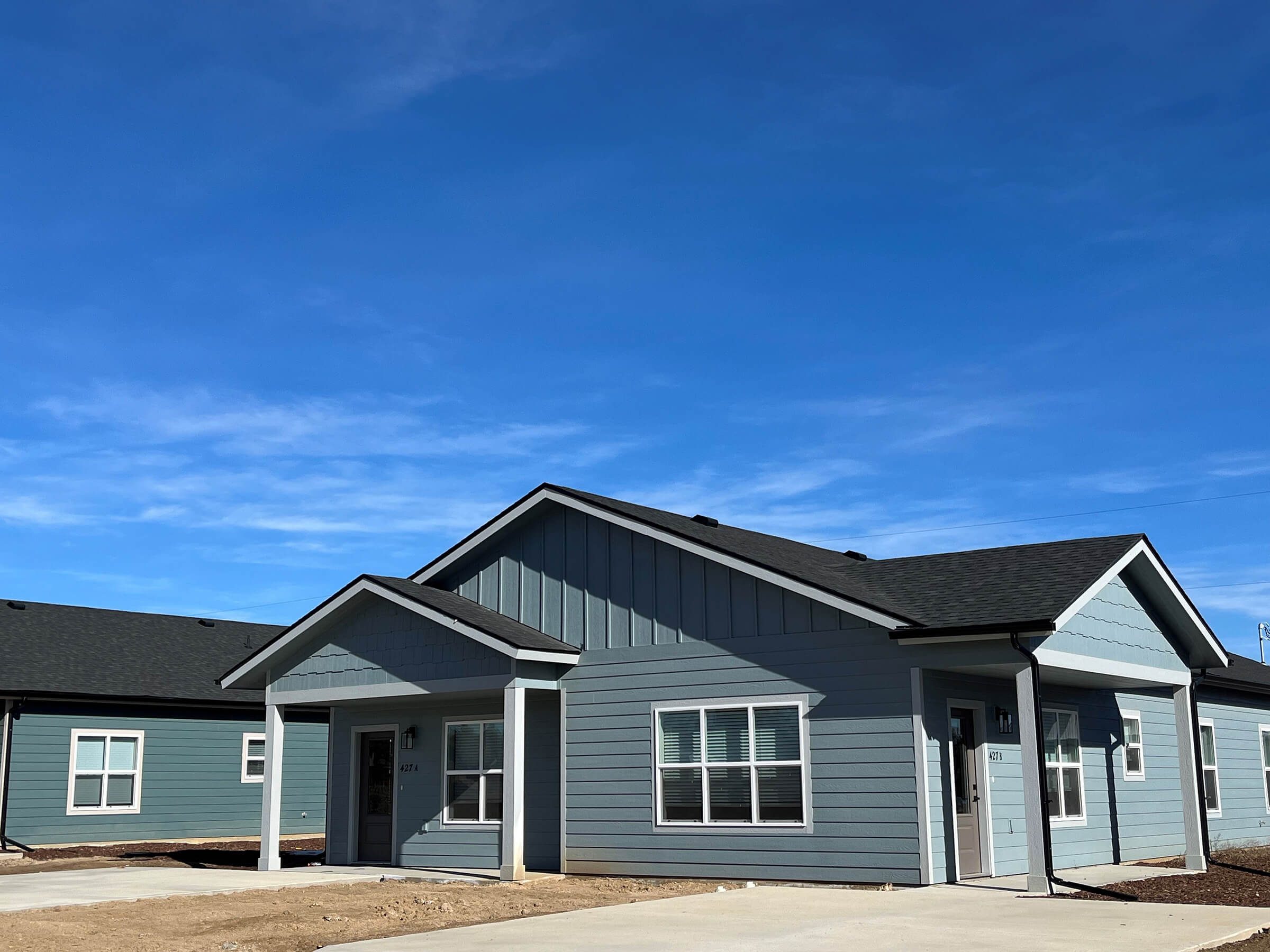
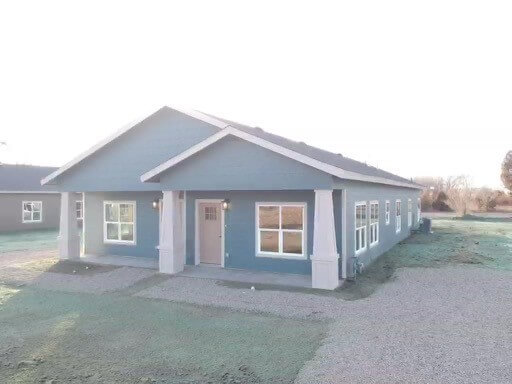
From June 2021 to June 2023, partners build 83 housing units, including 17 single-family homes and 33 duplexes, all below 100% area median income. All of the homes were under contract before the developer broke ground.
“The end result for us is that we have much needed housing opportunities for area residents and more construction workers staying in our town for the short or long-term,” said Tammy Newton, manager of the Town of Springfield.
As discussed, strong intergovernmental collaboration across the region resulted in shared costs, land donations, in-kind labor, and more. Such partnerships, as well as the ARPA funds and state funding, made the project possible.
“It was almost that big brother, little brother feeling,” said Gonzales. “People understood that new housing in one town would house people that work in another nearby town. It was a no brainer for local governments to support the project even if new housing didn’t directly come into their community.”
Shortly after project completion, project partners created the Southeast Colorado Regional Housing Authority. Funds from a 2% administrative fee levied on the final cost of the project’s housing units now supports the authority, allowing the group to self-finance new workforce housing development across the region.
“The southeast region gets along so well … I’m glad to have capitalized on unique circumstances we’ve never seen before,” Gonzales reflected. “I’m proud we have the collaboration we do.”