
Shopping to save
Small towns respond to rising insurance premiums
by changing providers
By Rachel Woolworth, CML municipal research analyst
The majority of municipalities that participated in the 2024 State of Our Cities & Towns survey reported increases in insurance premium costs across various lines of coverage in recent years. Specifically, more than 50% of these cities and towns reported price increases of 10% or more for law enforcement liability, general liability, and property coverage.
Though about 70% of responding municipalities did not report taking action to respond to rising insurance costs in recent years, a minority of cities and towns reported measures such as increasing self-insured retention amounts, removing lines of coverage, and changing insurers.
Though increasing self-insured retention amounts and removing certain lines of coverage often lower insurance premium costs, such actions leave municipalities vulnerable to greater financial risk. Changing insurers, however, may allow cities and towns to access more affordable and comprehensive insurance coverage.
Ten cities and towns, including a mix of small, mid-sized, and large municipalities, reported changing insurance providers to confront rising costs. Several of these municipalities switched from private firms to self-insurance pools, such as Colorado Intergovernmental Risk Sharing Agency (CIRSA).
For example, the Town of Yampa reported recently switching from a private provider to CIRSA to lower costs. “Ultimately, we were with a liability insurance company where we were very under-covered,” said Sheila Symons, the town’s administrator and clerk. “Changing to CIRSA saved us a tremendous amount of money and gave us way more coverage and amenities.”
CIRSA is a municipal self-insurance pool created and owned by member municipalities and other public entities. The pool model is meant to provide stability in costs from year to year, as well as more comprehensive coverage.

The Town of Parachute recently changed its insurance carrier for short-term and long-term disability coverage. The town’s finance director, Teresa Beecraft, suggested moving from a private firm to Colorado Employer Benefit Trust (CEBT), who manages many of Parachute’s other insurance policies, to improve efficiency.
“Although this did result in a projected cost savings to the town of around $2,000 annually, the decision to change was primarily based on administrative overhead and time savings,” said Parachute Town Manager Travis Elliott. “Using the same provider made more sense and will hopefully be more efficient.”
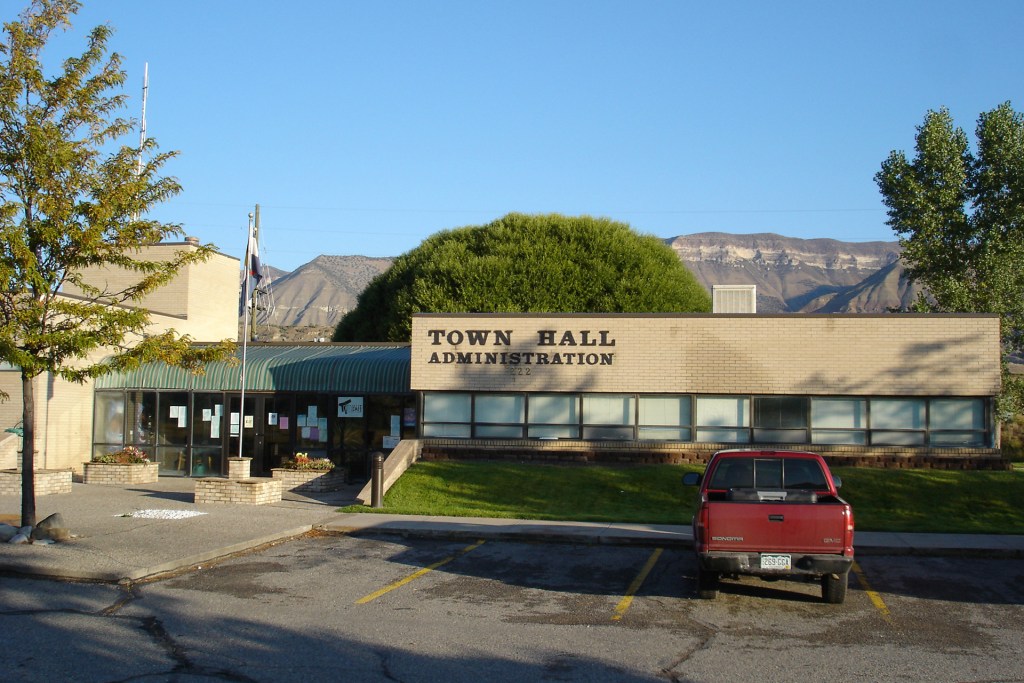
CEBT is a nonprofit multiple employer trust providing employee benefits for public institutions across Colorado. The organization also utilizes a self-insurance pool model.
Though some municipalities have settled upon more affordable insurance options by changing carriers, others, such as Rocky Ford, reported not having time to shop for insurance coverage or not being able to find a carrier willing to cover municipal properties.
Municipalities will continue to seek creative solutions to rising insurance costs in 2024, whether choosing to change providers on their own or relying on self-insurance pools for assistance.