
Power of Partnerships
Colorado municipalities work with other local governments to get the job done
Colorado Municipal League: 2025 State of Our Cities & Towns Report
By Rachel Woolworth, CML municipal research analyst
Graphics by Alex Miller, CML design and publication specialist

The 2025 State of Our Cities & Towns survey, administered from mid-August to October 2024, inquired about the power of partnerships between Colorado municipalities and other local governments, including counties, school districts, and special districts. Specifically, the survey investigated how such partnerships are helping cities and towns overcome challenges across the key areas of emergency services, housing, public transit and transportation infrastructure, and utilities.
About 95% of survey respondents reported partnering with another local government in at least one topical area. Front Range municipalities and large cities of over 25,000 people partner with other local governments at higher rates than smaller municipalities and cities and towns in other areas of the state. The most common areas for intergovernmental partnership included emergency services, elections, and economic development.
Municipalities reported few changes to local economic performance and municipal revenue from the previous fiscal year. State-mandated expenditures emerged as the top challenge for cities and towns across different population sizes and geographic regions going into 2025, followed by lack of affordable housing and unfunded road maintenance.
Responding municipalities
This year, 129 of CML’s 271 member municipalities responded to the survey for a 48% response rate. Cities and towns scattered across the state, from the Eastern Plains to Northwest Colorado and from the San Luis Valley to the Front Range, shared fiscal data and their experiences with local partnerships. Municipalities of all sizes were represented: 41% of municipalities under 2,000 people, 53% of mid-sized municipalities, and 75% of municipalities over 25,000 people participated.
Fiscal overview
About 50% of responding municipalities reported their local economy performing on par with the previous fiscal year. Less than one-quarter of cities and towns reported their economy performing better than last year and about a third of municipalities reported their economy performing worse. Small municipalities and cities and towns located in the Eastern Plains were less likely to see economic improvement than their larger counterparts in other geographic regions.
- Economic performance compared to past year
- Economic performance comparison by population
- Economic performance comparison by region


A majority of cities and towns reported their municipal revenues to be about the same as the previous fiscal year. No municipalities identified their revenue as “much better” than a year ago while about a quarter of responding municipalities identified revenues as “somewhat better.” About 5% of respondents reported revenue was “much worse” while about a quarter identified revenues as “somewhat worse.” Like economic performance, small municipalities and cities and towns located in the Eastern Plains were less likely to see revenue improvements than their larger counterparts in other geographic regions.

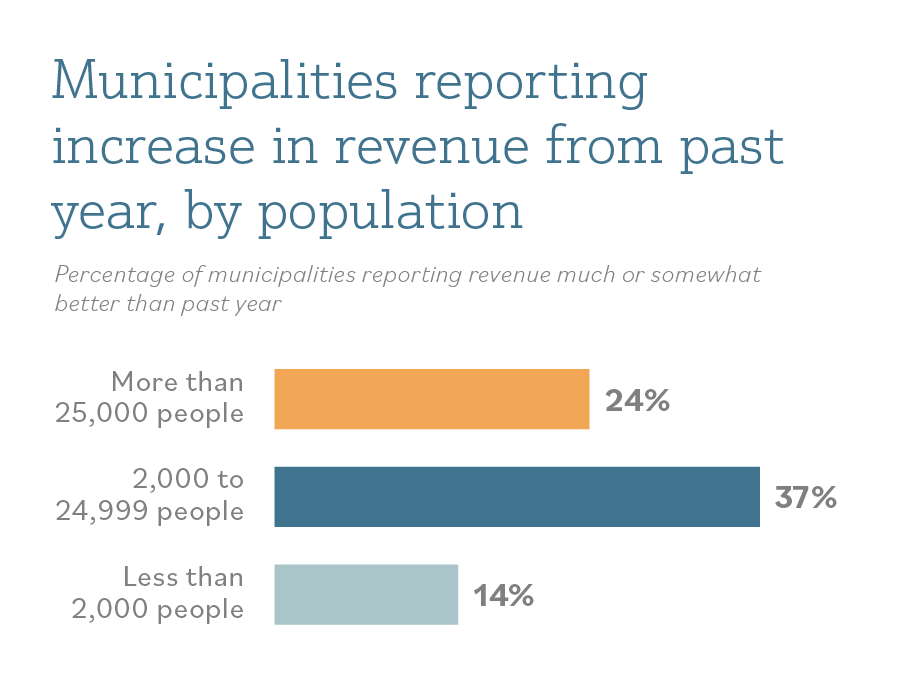

Most revenue sources for responding municipalities increased when compared to the previous fiscal year. Sales and use taxes, charges for services, investment and interest income, and property taxes emerged as the top increased revenue sources for responding cities and towns. Additionally, 17% of municipalities reported state funding increasing while 17% of respondents reported state funding decreasing.

For the first year since 2020, the year of the COVID-19 pandemic, a slightly larger share of municipalities reported worse revenues over the previous year than those that reported better. Municipal revenue growth has been on a slight decline in Colorado since 2021.

Municipal officials identified state-mandated expenditures as the top challenge for cities and towns going into 2025. More than 75% of survey respondents, across all population sizes and geographic regions, identified state-mandated expenditures as a moderate or major challenge for their municipal government.
Lack of affordable housing, the top challenge in 2024, dropped to second on the list while unfunded street maintenance ranked third. Inflation, the top challenge for municipalities in 2023, dropped to fourth on the list.

Other challenges not included in the infographic above include public safety, increased workers’ compensation costs, slow growth in tax revenues, adverse local economic conditions, and failed ballot initiatives to increase municipal funding.
Municipal Partnerships
Cities and towns across the state frequently collaborate with other local governments, including municipalities, counties, school districts, and special districts, to get things done. About 95% of survey respondents reported partnering with another local government in at least one topical area. Front Range municipalities and large cities of over 25,000 people partner with other local governments at higher rates than smaller municipalities in other areas of the state.
Emergency services emerged as the most common area of collaboration between municipalities and other local governments with more than 80% of survey respondents reporting at least one partnership in the realm. While emergency services collaborations are common across all regions, such partnerships are slightly more common in large cities and throughout the Front Range. In fact, 100% of responding large cities partner with other local governments on emergency services. Such partnerships often include service sharing agreements between law enforcement agencies and shared funding for fire and ambulance services.
Though cities and towns located on the Front Range are the most likely to partner with other local governments on emergency services, utilities, and public transit services and transportation infrastructure, small municipalities of less than 2,000 people are the most likely to collaborate to provide law enforcement services and mountains/Western Slope municipalities are the most likely to do so on housing.
About 70% of responding municipalities partner with another local government to run elections. Other common areas of partnership include economic development (57%) and utilities (50%). Municipal partnerships with other local governments are less common in the areas of homelessness and childcare.
- Municipal partnership areas
- Municipal partnership areas by population
- Municipal partnership areas by region


About one-third of responding municipalities are not currently considering any new partnerships with other local governments. For the cities and towns that are doing so, the most common areas of interest are housing, transportation infrastructure, and recreation. Municipalities located in the mountains/Western Slope are twice as likely to be considering new public transit and transportation infrastructure partnerships when compared to other geographic regions.
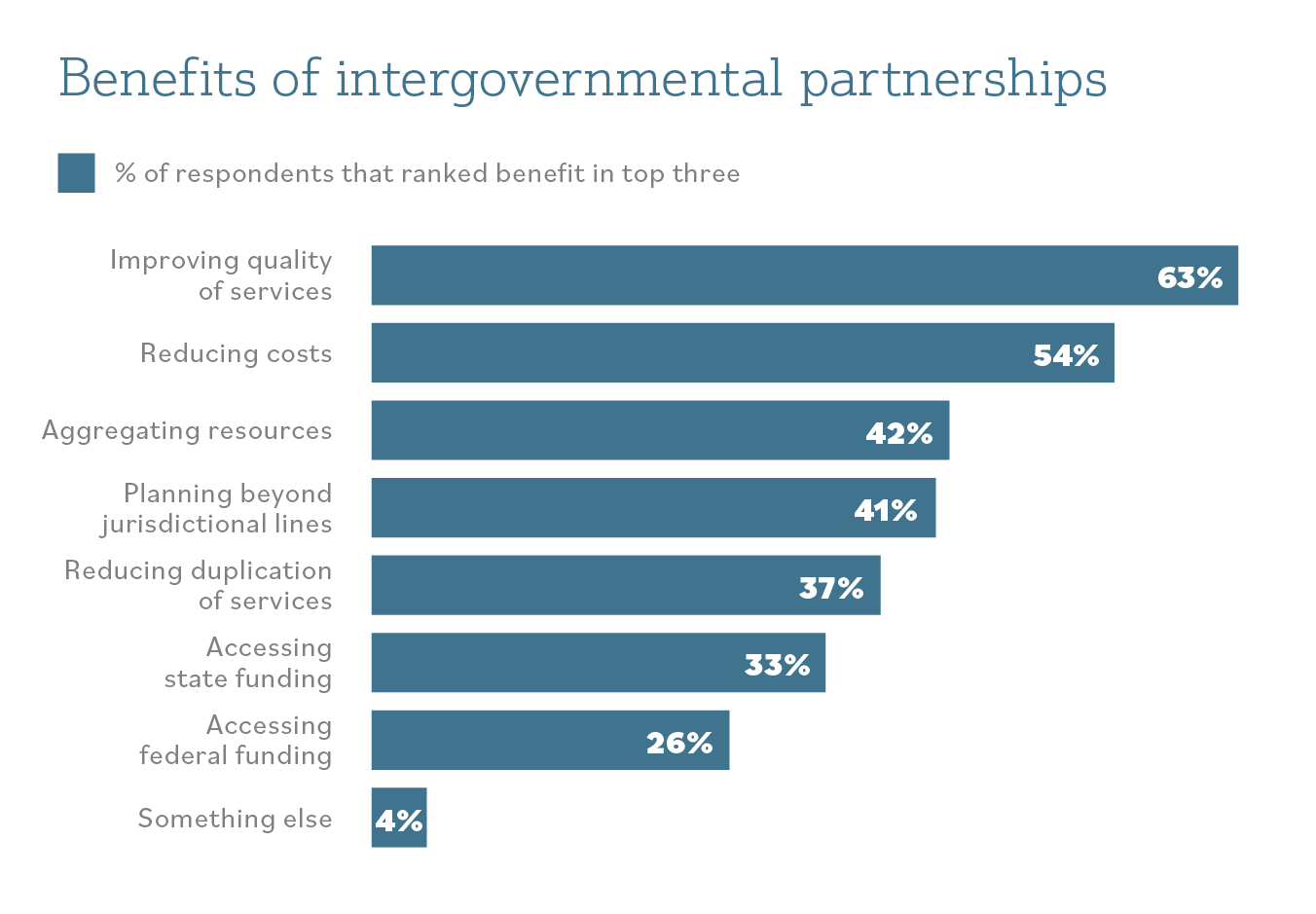
When looking across topical areas, the most impactful benefits of intergovernmental partnerships included “improving quality of services,” “reducing costs,” and “aggregating resources.” About two-thirds of municipalities that partner with other local governments ranked “improving quality of services” as a top three benefit.
Emergency services partnerships
Emergency services emerged as the most common area of partnership for municipalities. More than 80% of responding cities and towns collaborate with other local governments to provide emergency services, whether in law enforcement, fire protection, or ambulance response.
Law enforcement
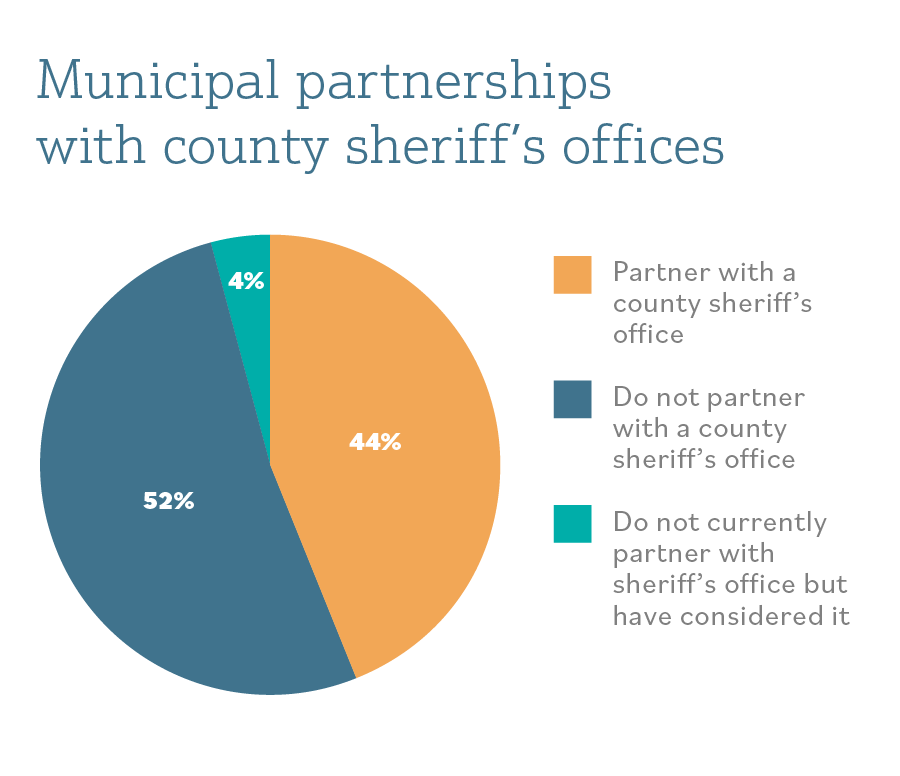
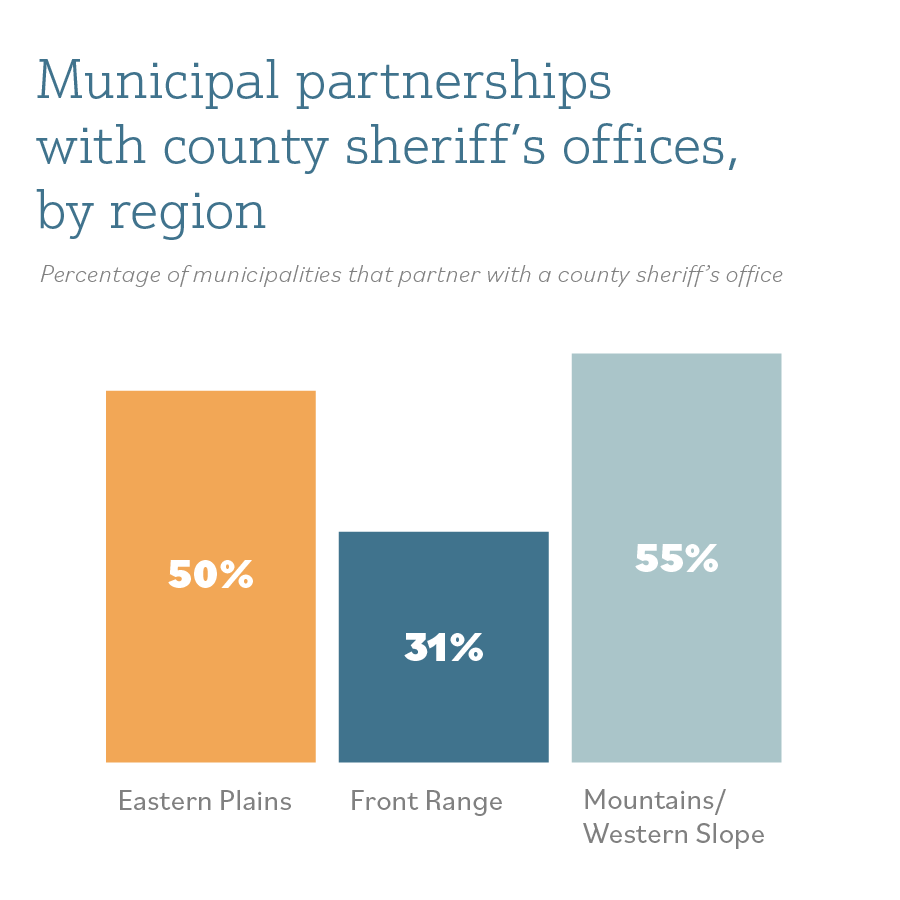
Of the municipalities that maintain emergency services partnerships, about 45% collaborate with a sheriff’s office to provide law enforcement services, whether on a full-time or part-time basis. Small cities and towns of under 2,000 people are more likely than their larger counterparts to collaborate with a county sheriff’s office. The same is true of cities and towns located in the Eastern Plains and mountains/Western Slope when compared to the Front Range.
- Municipal partnerships county sheriffs
- Municipal partnerships county sheriffs by population
- Municipal partnerships county sheriffs by region

Of the municipalities partnering with a county sheriff’s office to provide law enforcement services, about one-third have dissolved their police department to collaborate with a sheriff’s office on a full-time basis. Cities and towns that have eliminated their municipal police department include but are not limited to:
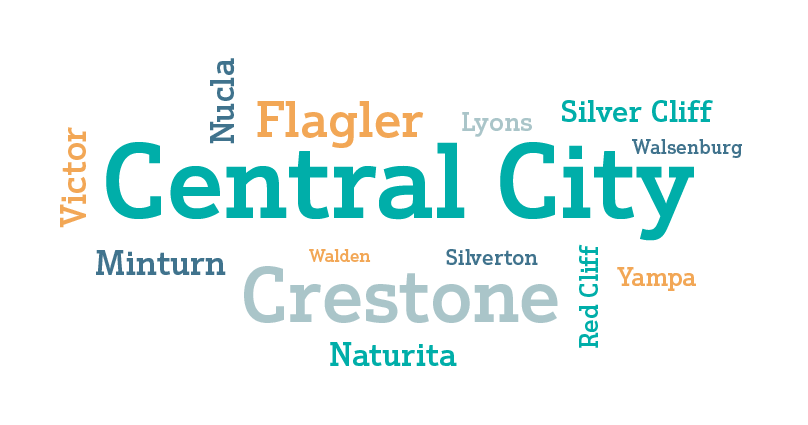
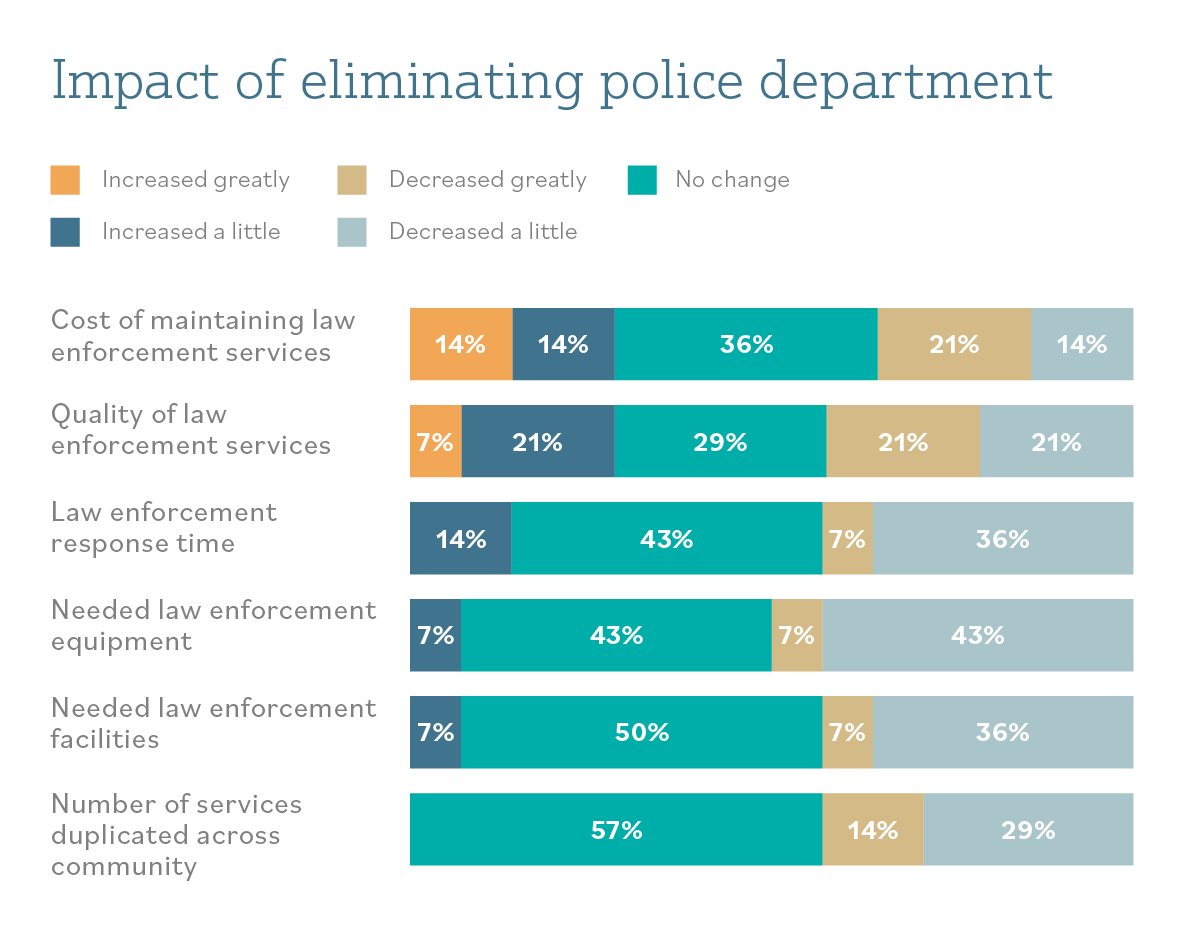
Survey results show varied impacts associated with the decision to eliminate municipal police departments. Some cities and towns see cost increases, others cost savings. For example, some respondents estimated annual cost savings ranging from $50,000 to $200,000 while others estimated annual cost increases ranging from $25,000 to $100,000.
Some municipalities (42%) reported the quality of law enforcement services decreasing after dissolving their police departments while others reported quality of services improving (28%). More than 40% of such cities and towns reported a decreased need for law enforcement equipment and facilities, decreased response time to emergency calls, and decreased service duplication.
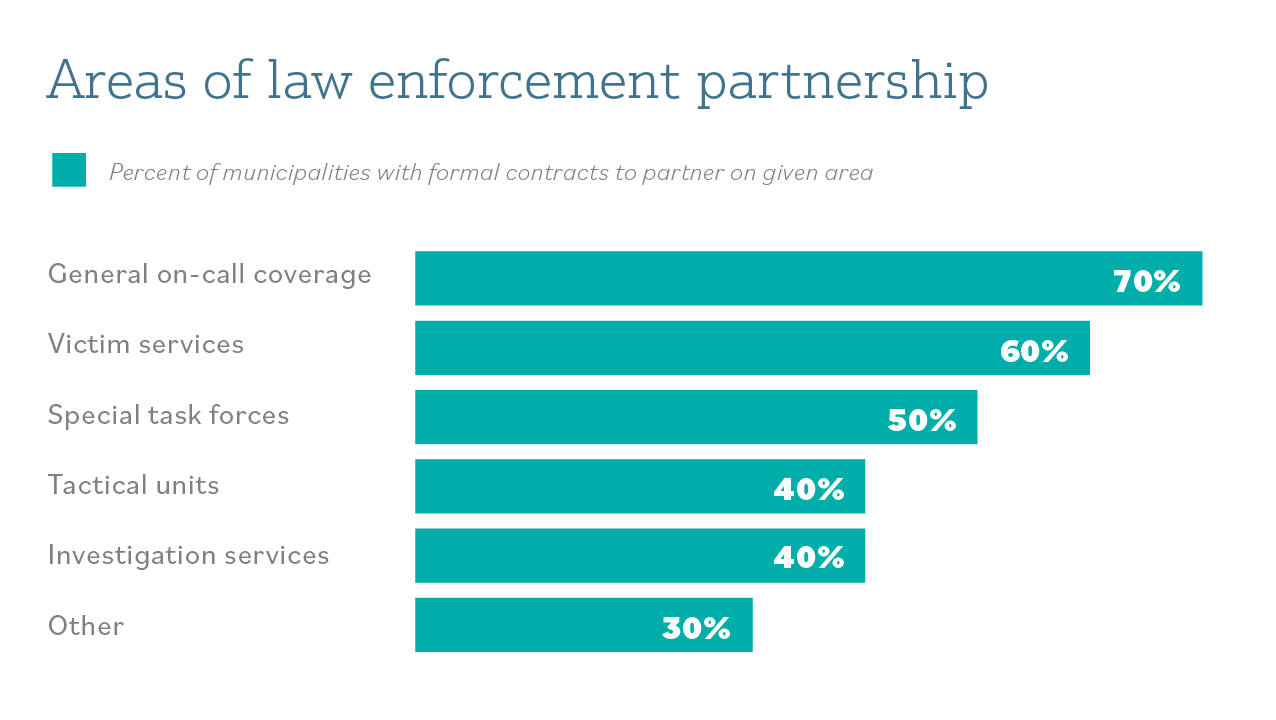
Many municipalities with intact police departments partner with other agencies, including sheriff’s offices and other municipal police departments, to provide law enforcement services on a part-time basis. Both formal and informal partnerships are common in such circumstances.
Among municipalities with formal law enforcement partnership contracts, often taking the form of intergovernmental agreements (IGAs), respondents identified general on-call coverage and victim services as the most common areas of collaboration.
About 50% of cities and towns with law enforcement IGAs reported that such contracts increase municipal costs. Municipalities reported spending up to $120,000 annually under such agreements. About 45% of cities and towns with law enforcement IGAs reported both improved quality of services and response time thanks, in part, to such agreements.
Fire Protection
Of the responding municipalities with emergency services partnerships, about 30% access ambulance services through a fire district and about 20% through county government. Only 15% of respondents operate ambulance services within municipal government.

More than half of responding municipalities that partner with another local government to access fire protection services do not contribute resources to the fire agency. Some cities and towns provide funding (21%) while others contribute facilities and equipment (17%). Annual financial contributions vary depending on the size of municipality, depth of service, and other such factors. Some cities and towns reported fire protection partnerships improving quality of services (34%) and response time (21%) while others did not.
Ambulance
Of the responding municipalities with emergency services partnerships, about 30% access ambulance services through a fire district and about 20% through county government. Only 15% of respondents operate ambulance services within municipal government.
Large cities, such as Thornton and Lafayette, are more likely to operate a municipal ambulance service. Small and mid-sized municipalities are more likely to access such services through a fire district (Elizabeth), county government (Rocky Ford), ambulance district (Fairplay), or health district (Pagosa Springs). In Colorado Springs, Kersey, and Nunn, private companies operate the local ambulance service.

A majority of responding municipalities (83%) that access ambulance services through another entity do not contribute resources to the ambulance agency. Most of these cities and towns said ambulance service partnerships do not change outcomes such as cost of services and needed facilities and equipment.
Housing
About 47% of responding municipalities partner with other local governments on housing. Such partnerships include regional housing authorities, collaboration on housing needs assessments and grants, shared development costs, and land donations.
About 65% of municipalities that collaborate with other local governments on housing participate in local or regional housing authorities. Housing authorities are public entities formed to address housing challenges in communities through management of new construction and redevelopment projects, rental voucher programs, and more. Cities and towns most commonly contribute direct funding (64%) and leadership (54%) to support housing authorities in their jurisdictions.

A majority of municipalities (63%) that partner with other local governments on housing collaborated on housing needs assessments in the last four years. Such studies analyze existing and future housing needs in communities, often including data on current housing stock and price points, future housing targets, and more. Cities and towns most commonly partner with counties (84%), other municipalities (68%), and local (30%) and regional (32%) housing authorities on housing needs assessments.


A better understanding of the regional housing landscape, clarity in decision-making between local governments, and diversity in community voices represented emerged as the most common positive impacts of collaborative housing needs assessments. More than 65% of municipalities that partner with other local governments on such assessments reported these impacts. Cities and towns also identified decreased staff time and cost as positive impacts of collaboration.
Of the cities and towns that partner on housing, most municipalities said they have not applied for affordable housing funding in collaboration with other local governments. One-third of respondents collaborated on state housing grants, far less did so on federal housing grants. When municipalities applied for funding opportunities with other local governments, they most frequently did so with counties (64%), other municipalities (27%), and housing authorities (14%).
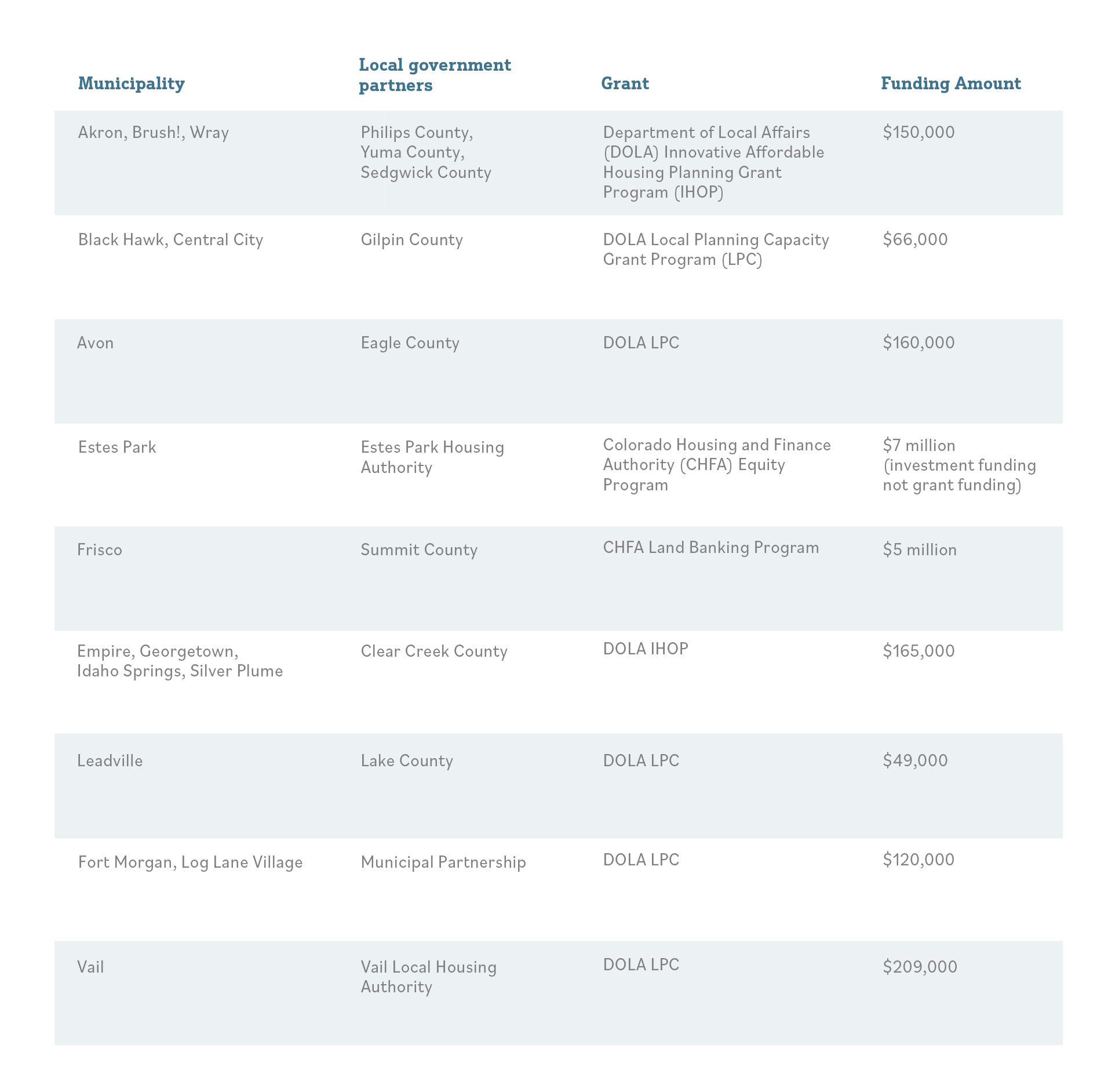
Most municipalities that applied for affordable housing funding in collaboration with another local government in the last four years were awarded at least one grant. The following municipalities saw a 100% success rate when collaborating on funding opportunities:
Municipalities sometimes reduce and/or waive development fees to incentivize developers to build affordable housing. Yet survey results show that few municipalities with housing partnerships collaborate with special districts to waive or reduce development fees.
Water districts, fire protection districts, and sanitation districts were the most common partners for cities and towns that do engage in such fee reduction partnerships. The types of development fees most frequently waived or reduced for affordable housing developers by responding municipalities include permitting fees (64%), application fees (55%), tap fees (45%), and inspection fees (45%).A better understanding of the regional housing landscape, clarity in decision-making between local governments, and diversity in community voices represented emerged as the most common positive impacts of collaborative housing needs assessments. More than 65% of municipalities that partner with other local governments on such assessments reported these impacts. Cities and towns also identified decreased staff time and cost as positive impacts of collaboration.

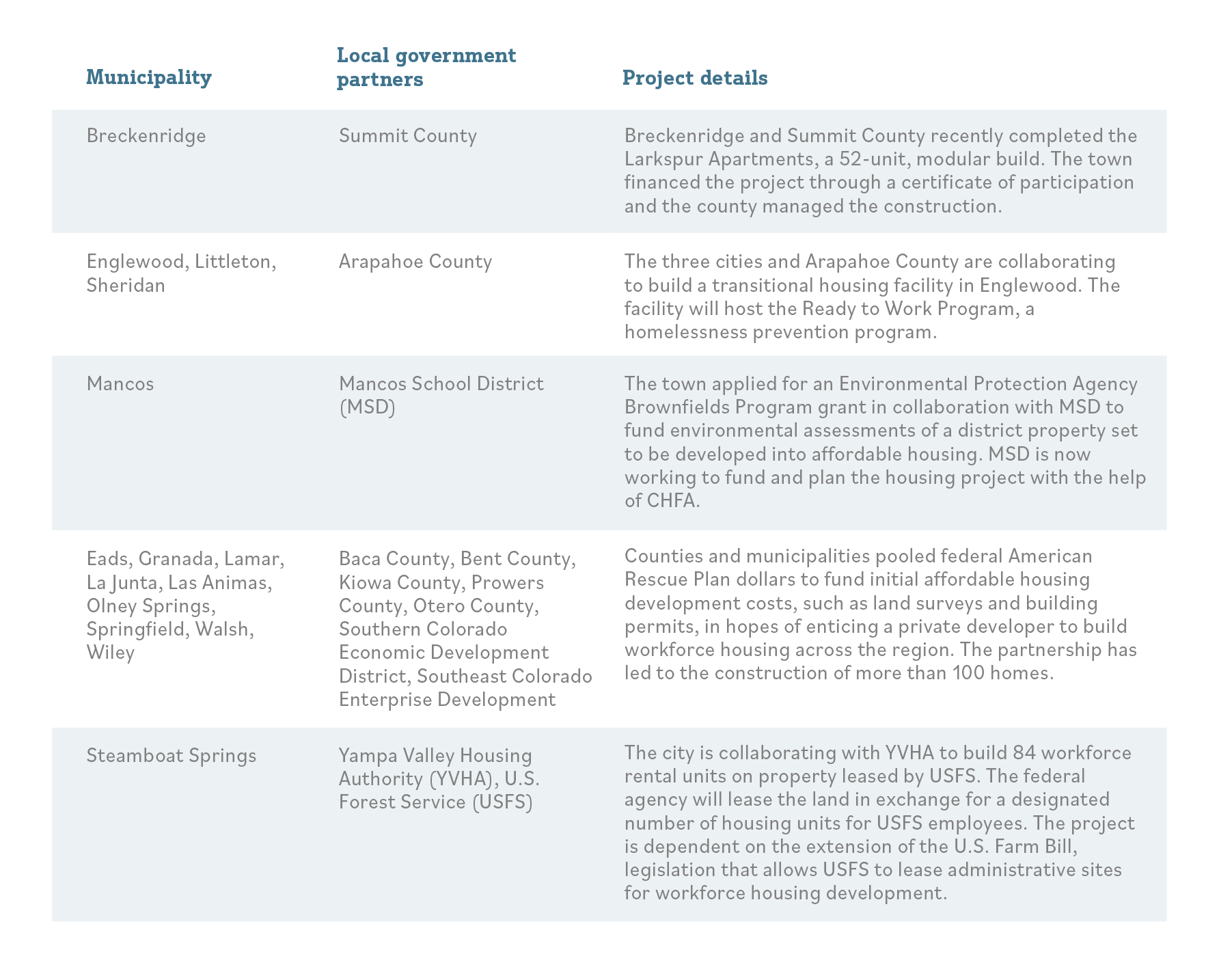
Municipalities sometimes reduce and/or waive development fees to incentivize developers to build affordable housing. Yet Few cities and towns that engage in housing partnerships share development costs for affordable housing with other local governments. The one-fifth of responding municipalities that have shared such costs have primarily done so with counties (60%).
Affordable housing projects in which a city or town shared development costs with another local government(s) include but are not limited to:
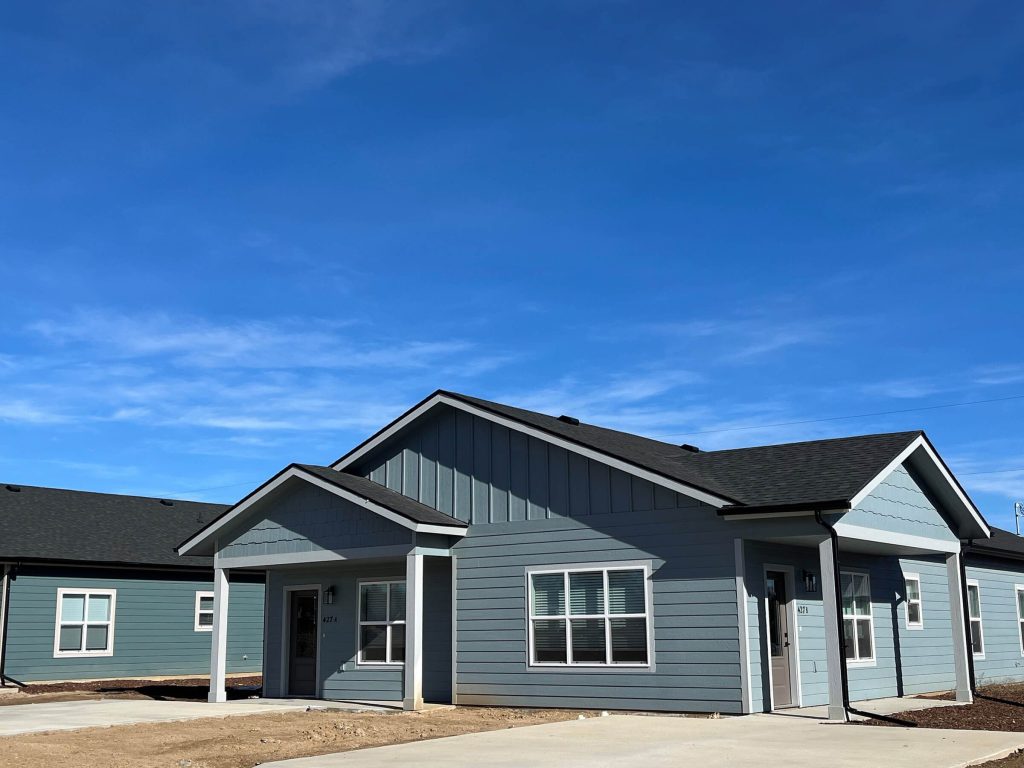
Of the responding cities and towns that partner on housing, only six municipalities have received land donations for affordable housing. The estimated market value of the donated properties ranges from $60,000 to $24 million.
For example, in 2021, Carbondale received an anonymous land donation worth $2 million on which to build affordable housing. The town is currently working with Artspace, Inc. to design and fund the project.
Littleton has received three different land donations for affordable housing development in recent years. The donations, which amount to $2.5 million in value, will be home to a 50-unit apartment building, a housing complex for senior citizens, and a navigation center for unhoused persons.
The 11 responding municipalities visualized below have donated land to another local government for affordable housing. The estimated market value of the donated properties ranges from $25,000 to $30 million.

Public transit & transportation infrastructure
About 45% of responding municipalities partner with other local governments on public transit services. Fixed-route transit services (47%) emerged as the most common area of partnership for such cities and towns, followed by on-demand transit services (26%). Responding municipalities that partner on public transit most commonly do so with counties (47%) and other cities and towns (40%).

About 37% of responding cities and towns partner with other local governments to build and maintain transportation infrastructure. Of those municipalities, cities and towns most frequently partner on trails (75%), roads (67%), and bike paths (64%). Responding municipalities most commonly partner with counties (56%) and other cities and towns (50%) on such infrastructure.

A majority of municipalities that partner with other local governments on public transit services or transportation infrastructure said such collaborations increase transit mobility for residents (76%), understanding of resource sharing between local governments (62%), and clarity in decision-making between local governments (52%). Some municipalities reported such partnerships increasing costs (29%) while others reported such collaborations decreasing costs (22%).

Public transit and transportation infrastructure projects in which a city or town collaborated with another local government include but are not limited to:

About one-third of municipalities reported paying electricity costs for streetlights they do not own while another one-third reported not paying such electricity costs. Of the cities and towns that do pay for electricity in streetlights they do not own, about half have a formal payment agreement in place with the owner of the streetlights.

Utilities
About 50% of responding municipalities partner with other local governments to provide utilities such as water, wastewater, broadband, gas, and electricity to residents.
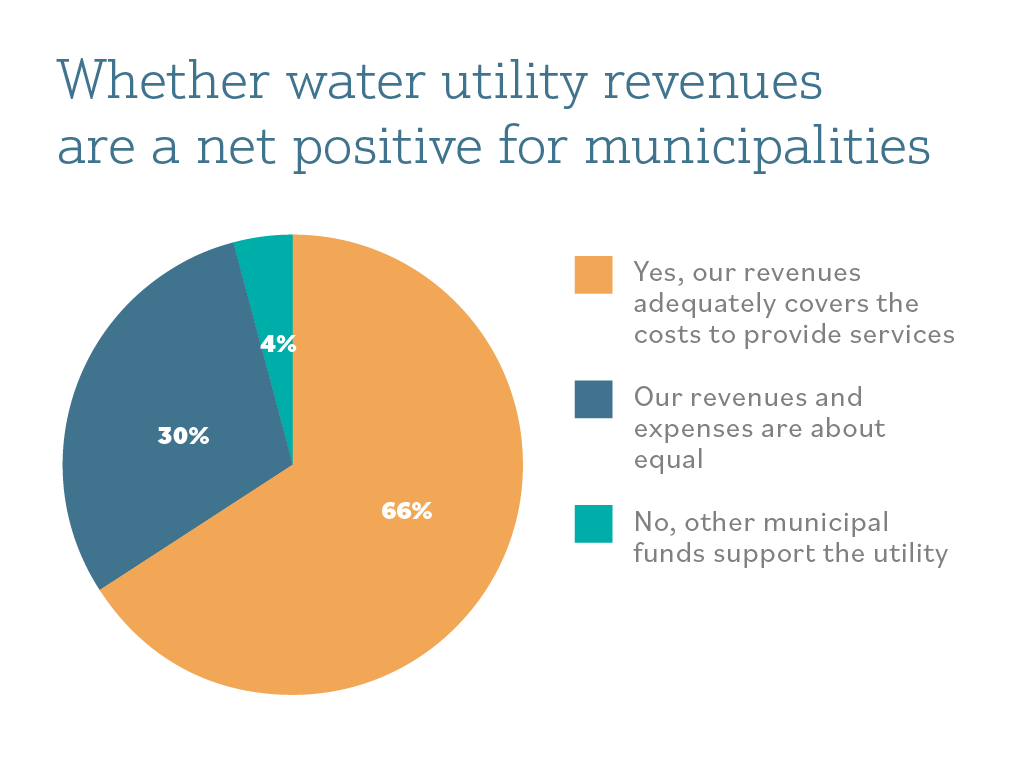
Water emerged as the most common utility provided to residents by municipal governments. About three-quarters of cities and towns that partner with other local governments to provide utilities operate their own water utility. About one-quarter of such cities and towns rely on a special district to provide water within their jurisdiction. Almost all municipalities that operate their own water utility generate enough revenue to cover service costs.
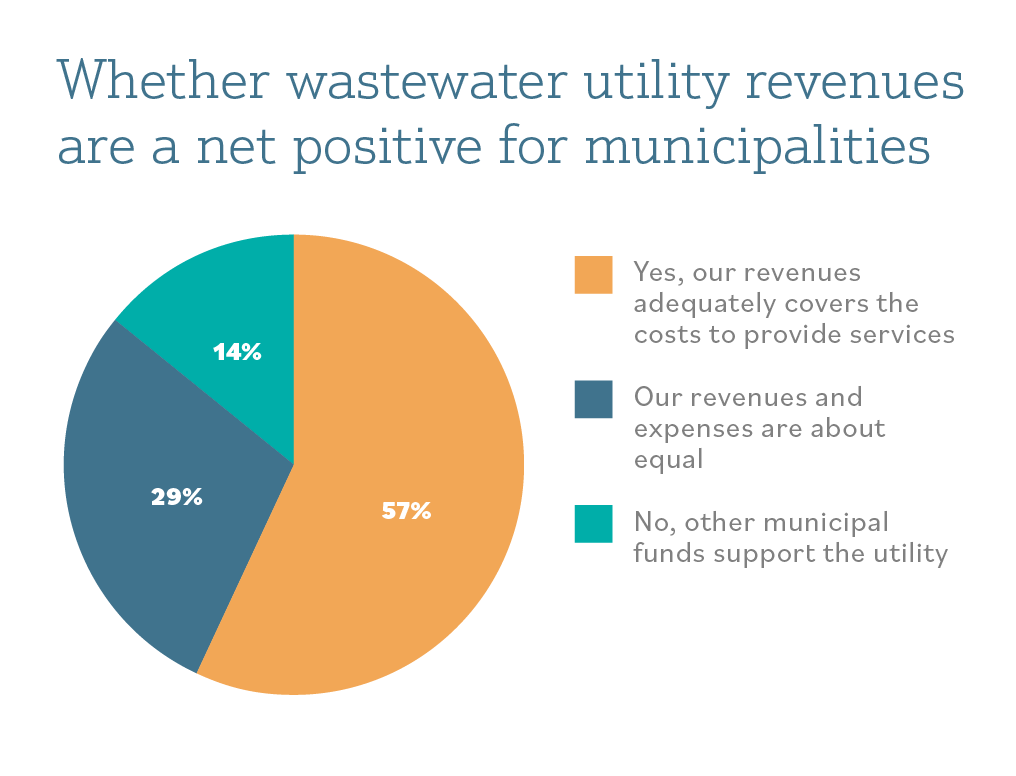
About 55% of cities and towns that reported utility partnerships operate a wastewater utility. More municipalities partner with other local governments on wastewater than on water; 25% rely on a special district to provide wastewater services while 22% rely on a private company. Most cities and towns that operate their own wastewater utility generate enough revenue to cover service costs.
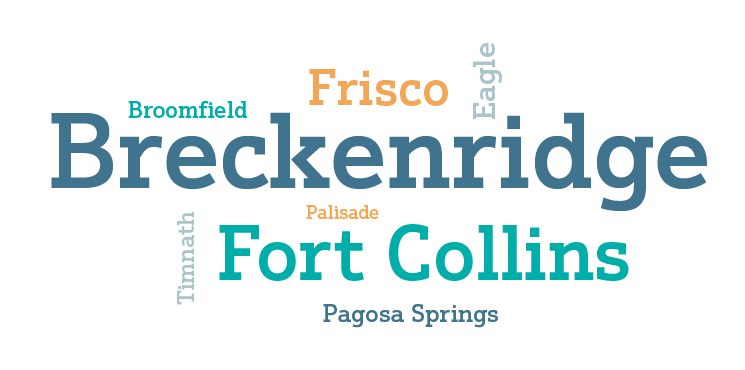
Broadband is most commonly provided to municipal residents by private companies. About 85% of responding municipalities said residents access broadband through a private company such as Spectrum or Xfinity. The below Colorado municipalities currently provide or are in the process of developing city-wide fiber broadband networks, including but not limited to:
A few responding municipalities, such as Rangely and Fort Collins, operate their own gas and/or electric utilities. But most residents of responding municipalities access gas through a private company and electricity through a private company or nonprofit cooperative.
Moving forward
An overwhelming majority of Colorado’s cities and towns already partner with another local government in at least one topical area. Though large cities and municipalities located on the Front Range partner with other local governments more frequently than their smaller counterparts in other geographic areas of the state, participation in partnerships is largely based on place and population.
For example, municipalities located in the mountains/Western Slope partner on affordable housing more frequently than cities and towns in other geographic regions. And small municipalities of less than 2,000 people collaborate to provide law enforcement services more frequently than their larger counterparts.
Partnerships between municipalities and other local governments are place-based in nature. Such collaborations are developed in response to local challenges and are customized to meet local circumstances, allowing local governments to better serve their communities. And though the impacts of intergovernmental partnerships are varied, most municipalities participating in the 2024 State of Our Cities & Towns survey reported collaboration improving quality of services across topical areas.
This year’s survey reminds us why it is imperative for the Colorado General Assembly to provide local governments space to work together to create place-based solutions to local problems. As state-mandated expenditures, lack of affordable housing, and unfunded street maintenance continue to challenge Colorado’s municipalities throughout 2025, intergovernmental partnerships will continue to serve as an important tool in overcoming such barriers.A few responding municipalities, such as Rangely and Fort Collins, operate their own gas and/or electric utilities. But most residents of responding municipalities access gas through a private company and electricity through a private company or nonprofit cooperative.